Peptide Quality: Value Of Third-party Recognition
Picking the ideal exterior research laboratory for peptide testing includes evaluating a number of factors. A relied on lab ought to have verifiable experience in peptide chemistry evaluation-- for instance, PhD-level chemists or biochemists on personnel who recognize peptides' synthesis and degradation paths. Accreditation by relevant bodies (such as ISO/IEC or accreditation for GLP/GMP compliance) is a strong indication of high quality.HPLC informs you what percentage of your sample is the primary substance-- however it does not confirm what that main substance actually is. A peak with the right retention time might theoretically be an associated peptide with comparable hydrophobicity. Mass spectrometry offers identification confirmation by measuring molecular mass directly. We review peptide size, series composition, expected molecular weight, alteration kind, salt form, sample background, and desired downstream use prior https://pharmalabglobal.com/ to specifying the analytical course.
What To Search For In A Certificate Of Evaluation
HPLC can support claims about chromatographic purity, contamination top concern, and deterioration patterns when the approach is proper and the chromatogram is offered. If a peptide is re-tested after storage tension, HPLC can expose whether new pollutant peaks have appeared or whether the primary peak location has declined. This links straight with dealing with subjects such as peptide storage and peptide reconstitution. As an examples of product-level context, compare the expected masses for Retatrutide, BPC-157, and Semaglutide.- Likewise, stay clear of laboratories that can not show verified logical techniques.The mobile phase, usually a blend of water, acetonitrile, and an acid modifier, is stored in reservoirs and supplied via the system by a high-pressure pump.We give physical residential property screening that assists teams work more effectively with difficult examples.The mobile stage is a gradient of water and an organic solvent like acetonitrile, typically with a small amount of trifluoroacetic acid (TFA) to hone the peaks.HPLC is outstanding at addressing the question "just how pure is this sample by chromatographic location percent?
The injector presents an accurate quantity of example into the mobile-phase stream. Consistent shot volume matters since overloading the column can expand optimals, misshape pureness estimates, or hide close-by impurities. A strong peptide screening workflow makes use of approaches that answer corresponding inquiries. The table below is the practical means to think of typical examinations when reviewing a peptide COA.
How To Review An Hplc Chromatogram
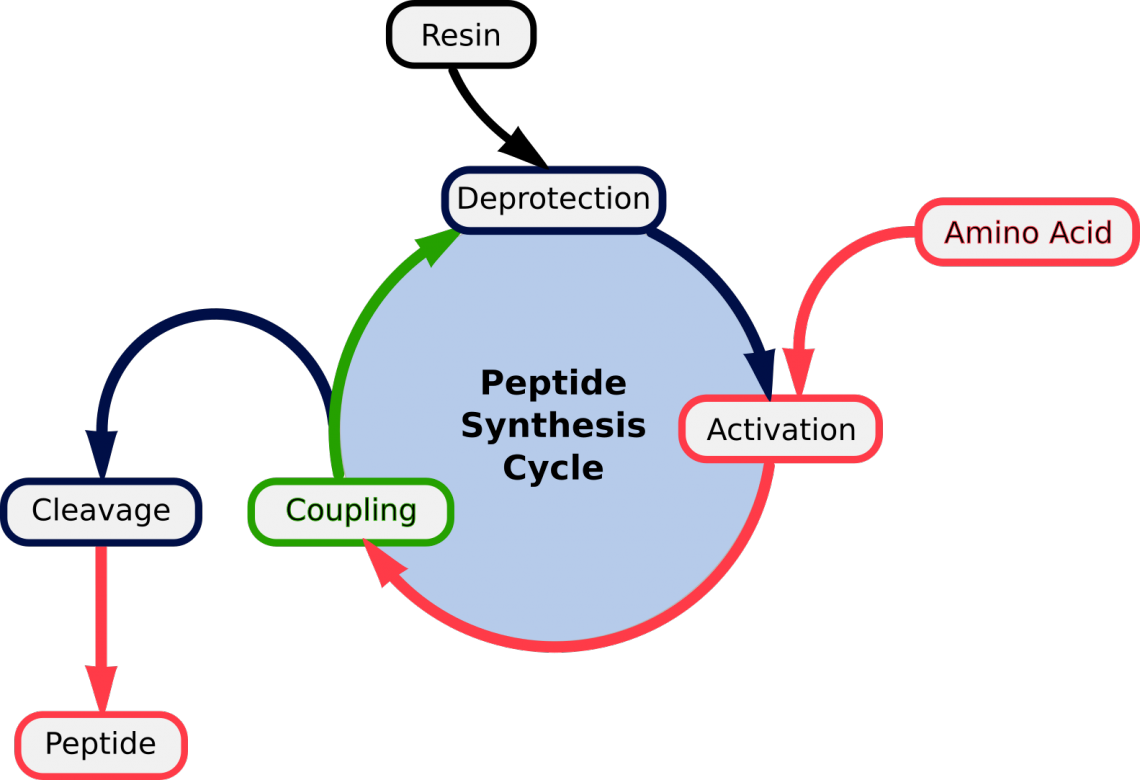
We utilize GC-MS, ICP-MS, and various other methods to identify contaminations, guaranteeing product safety and security and regulatory conformity. Peptide sequencing is important for determining the precise amino acid series of peptides, consisting of alterations like phosphorylation or acetylation. Sequencing enables scientists to recognize the organic duty of the peptide and its interaction with various other particles, aiding in the style of practical peptides for diverse applications. The peptide example is liquified in a compatible solvent and loaded right into an autosampler.
If the COA provides "overall pollutants", that complements the pureness number (e.g., 98% purity suggests 2% overall impurities). Several COAs additionally specify known or "defined impurities" versus unspecified ones, each with their private percentages if above a certain limit. This level of detail helps scientists understand if any small peptide byproducts exist. If you see several large heights of comparable elevation, you're considering either a low-purity example or a mix. If the primary top has a noticeable "shoulder"-- a bump on one side-- that commonly suggests a closely relevant contamination (like a deletion peptide) that the column could not completely fix. The peptide is passed through a basic purification action (frequently gel filtering or a quick reversed-phase clean-up) to get rid of salts, small-molecule results, and scavengers from the bosom action.
For a lot of visitors of a peptide beginners' overview, "research-grade" is the world you run in. It guarantees you that the peptide will do well in experiments (assuming purity and identification are as stated), yet it additionally lugs the caveat "Research Usage Just." This phrase is normally published on the vial or paperwork. It works as a reminder and lawful please note that the product is not a therapeutic or palatable.